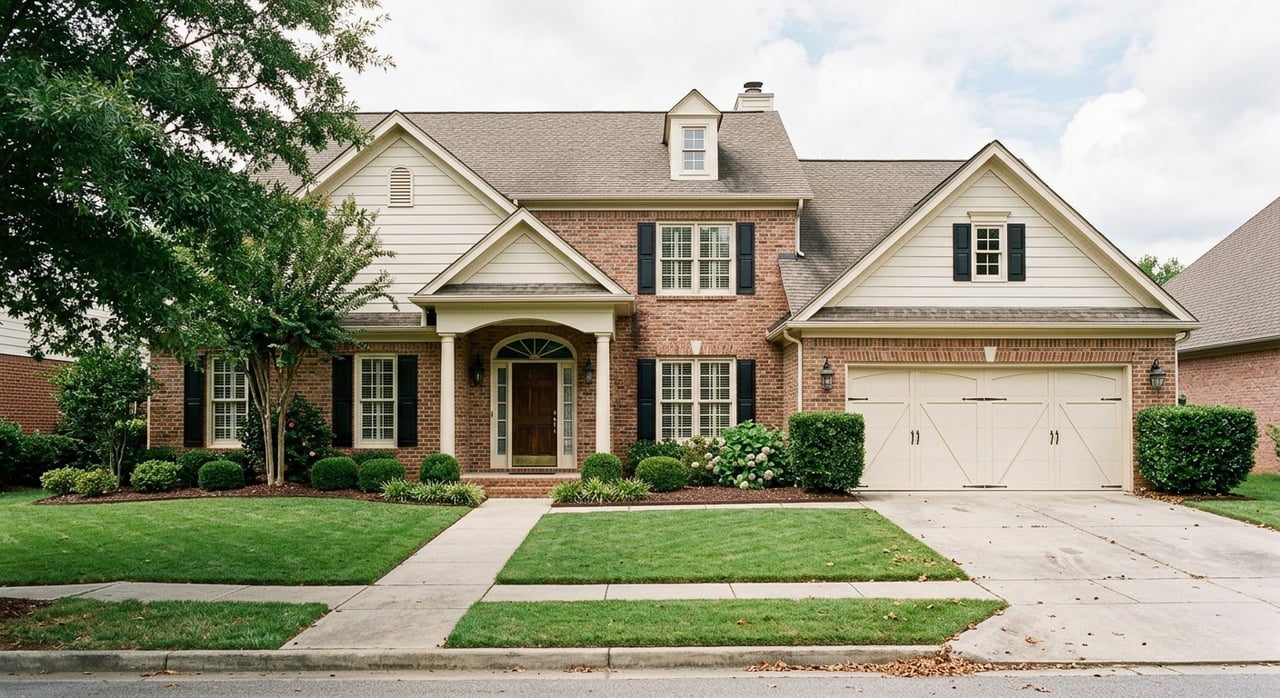
Wondering what it’s really like to live in Marietta? That depends a lot on where you land. Some parts of the city feel rooted in history and centered around the Square, while other areas are more suburban, road-connected, and spread out. If you are trying to decide whether Marietta fits your lifestyle, this guide will help you understand the city’s neighborhood styles, daily routines, and practical considerations. Let’s dive in.
Marietta is home to about 63,122 residents and offers a mix of in-town charm and suburban convenience. According to the U.S. Census QuickFacts for Marietta, the city has a median household income of $72,725, a median owner-occupied home value of $448,500, and a median gross rent of $1,586.
The same Census profile shows a mean travel time to work of 27.5 minutes and a highly educated population, with 47.4% of adults age 25 and older holding a bachelor’s degree or higher. In day-to-day terms, that gives Marietta a balanced feel: established, active, and connected to the broader metro Atlanta area.
The city describes itself as offering a friendly, small-town setting with quick access to downtown Atlanta. On the city’s About Marietta page, it also notes that housing near the center ranges from apartments and condos to upscale residences, which helps explain why the local housing experience can vary so much by address.
If you picture Marietta as tree-lined streets, front porches, and classic architecture, you are probably thinking of the historic core near downtown. The city identifies five National Register historic districts and the locally designated Kennesaw Avenue district, giving Marietta a strong preservation identity compared with many suburban cities.
The area around the Square has some of the city’s most distinctive housing character. These neighborhoods often appeal to buyers who want an in-town setting, established streetscapes, and homes with architectural detail that newer construction may not offer.
The Church-Cherokee Streets Historic District design guidelines show just how varied Marietta’s historic housing stock can be. Styles in the district include Queen Anne, Folk Victorian, Italianate, Colonial Revival, Prairie, Craftsman, Tudor, bungalow, and Georgian cottage forms.
That variety reflects different chapters of the city’s growth from the mid-1800s through the mid-1900s. For you as a buyer, that can mean a more one-of-a-kind home search and a neighborhood feel shaped by architecture, lot patterns, and walkable access to downtown destinations.
Whitlock Avenue’s historic district materials describe a different residential pattern. The area includes large former plantation houses, substantial Victorian town houses, and smaller, more modest dwellings, showing that even within historic Marietta, there is no single home style.
The district includes Italianate, Queen Anne, Dutch Colonial, Classic Revival, Bungalow/Craftsman, Greek Revival, and Colonial Revival architecture. If you are drawn to older homes, this part of Marietta highlights the city’s layered housing history and the range of home sizes you may find near the urban core.
The city identifies Kennesaw Avenue as Marietta’s first locally designated residential historic district, established in 2013. That matters because it reflects an intentional effort to preserve in-town residential character.
For buyers, that often translates into a setting that feels established and close to downtown activity. For sellers, it can also mean that neighborhood character is part of what makes the property appealing in the first place.
Move farther from the Square, and Marietta shifts into a more mixed pattern of residential, business, and roadway-oriented areas. The city’s M-STAR zone descriptions show that the southeast corridor along Cobb Parkway South and I-75 is mostly business with some apartment complexes, while the northeast includes business, industrial, and residential uses, including single-family homes and apartments.
The northwest, by contrast, includes long-standing single-family residences along with schools, businesses, and a regional health care facility. In practical terms, this means living in Marietta can look very different depending on whether you choose a historic in-town pocket or a more conventional suburban area.
If you want more walkability and architectural variety, the areas near downtown may stand out. If you prefer easier access to major roads, more conventional neighborhood layouts, or a more corridor-connected routine, other parts of the city may fit better.
A lot of Marietta’s everyday energy centers on the Marietta Square. The city describes it as a place for festivals, concerts, markets, shopping, restaurants, museums, theaters, and special events, with Glover Park at the center.
That matters because it gives downtown more than a postcard feel. It creates a real gathering place where you can spend a Saturday morning, meet friends for dinner, or catch a community event without leaving the city.
Several recurring events help define the lifestyle around the Square. According to Visit Marietta, Taste of Marietta takes place on the last Sunday in April and features 50+ restaurants, caterers, and food trucks.
The same source notes that the Brown Bag Concert Series runs free from noon to 1 p.m. every Thursday in May and September in Glover Park. It also highlights the Marietta Square Artisan Market, which is held every Saturday on Mill Street.
There is also a regular farmers market presence at the Square, which adds to the weekly routine for many residents. These events help make Marietta feel active and community-oriented rather than purely residential.
Food is a big part of daily life in Marietta, especially downtown. Marietta Square Market describes itself as a food hall with 20 restaurants, 3 bars, and indoor and outdoor seating adjacent to Historic Marietta Square.
That gives you an easy option for casual meetups, family outings, or trying multiple local food concepts in one place. For many buyers, access to this kind of central dining and entertainment scene is a major part of what makes Marietta appealing.
Marietta also offers more outdoor access than some buyers expect. The city’s trail planning page explains that the Mountain to River Trail spans 13.5 miles from Kennesaw Mountain National Battlefield Park to the Chattahoochee River National Recreation Area.
Within Marietta, about 3.5 miles of the trail run from Kennesaw Mountain through the Kennestone Hospital area, the Historic Downtown Square, Brown Park, and the City Cemetery. That gives residents a practical way to build walking, biking, or outdoor time into daily life.
The city’s Parks, Recreation and Facilities page shows a wide range of options, including Elizabeth Porter Park’s sprayground, Custer Park Sports & Fitness Center, Franklin Gateway Sports Complex, Laurel Park Tennis Center, Aviation Sports Complex, and neighborhood parks such as Tumlin Park and Wildwood Park.
That variety supports different lifestyles. You might be looking for playgrounds, tennis courts, organized sports, trail access, or a simple neighborhood park for an evening walk. Marietta offers all of those within its broader recreation system.
Another major outdoor advantage is proximity to Kennesaw Mountain National Battlefield Park. The National Park Service says the trails are open year-round, and the hike to the top of Big Kennesaw Mountain is 1.1 miles from the trailhead.
For many residents, having that kind of outdoor destination nearby adds flexibility to weekends and even weekday routines. It is one more reason Marietta can feel active without losing its established residential character.
Marietta is still largely car-oriented, but it has more transit infrastructure than many suburban communities nearby. CobbLinc includes Marietta and Cumberland transfer centers, nine local routes, express service, a free circulator, and park-and-ride lots.
The Marietta Transfer Center is located at 800 South Marietta Parkway, and Rapid 10 connects Marietta to KSU, Cumberland, Atlantic Station, and MARTA Arts Center Station. Some local routes also stop near the Square, which can be helpful if you want access to downtown without driving every time.
For households researching schools, Marietta City Schools says it serves about 8,600 students across 12 schools and is Georgia’s first IB World School District. That is an important part of the city’s lifestyle picture for many buyers.
One practical detail matters here: a Marietta mailing address does not always mean a home is inside the City of Marietta limits. The city notes on its code enforcement resources that buyers should verify jurisdiction for city services and code rules, and school-bound households should confirm eligibility by address using the city property search tool.
If you are considering a home in one of Marietta’s historic districts, ownership can come with extra responsibilities. The city’s Church-Cherokee Streets historic district page says a Certificate of Appropriateness is required for exterior changes such as new construction, demolition, or other material changes to appearance.
For sellers, that means exterior maintenance and materials can matter more than they would in many newer subdivisions. For buyers, it is a reminder to understand the review process before planning visible updates.
Marietta stands out because it offers more than one version of suburban living. You can find historic districts with classic architecture and close-in access to the Square, or you can choose areas that feel more conventional, more road-connected, and more spread out.
Daily life here can include dinner on the Square, a Saturday market stop, time on the Mountain to River Trail, or a quick trip toward major commuter routes. If you are buying or selling in Marietta, the key is matching the right part of the city to your goals, your budget, and the lifestyle you want day to day.
If you want help sorting through Marietta’s neighborhoods, historic pockets, and practical tradeoffs, connect with the Carlson Orange Team. As your local real estate family, they can help you find the right fit or position your home with a smart, marketing-first strategy.