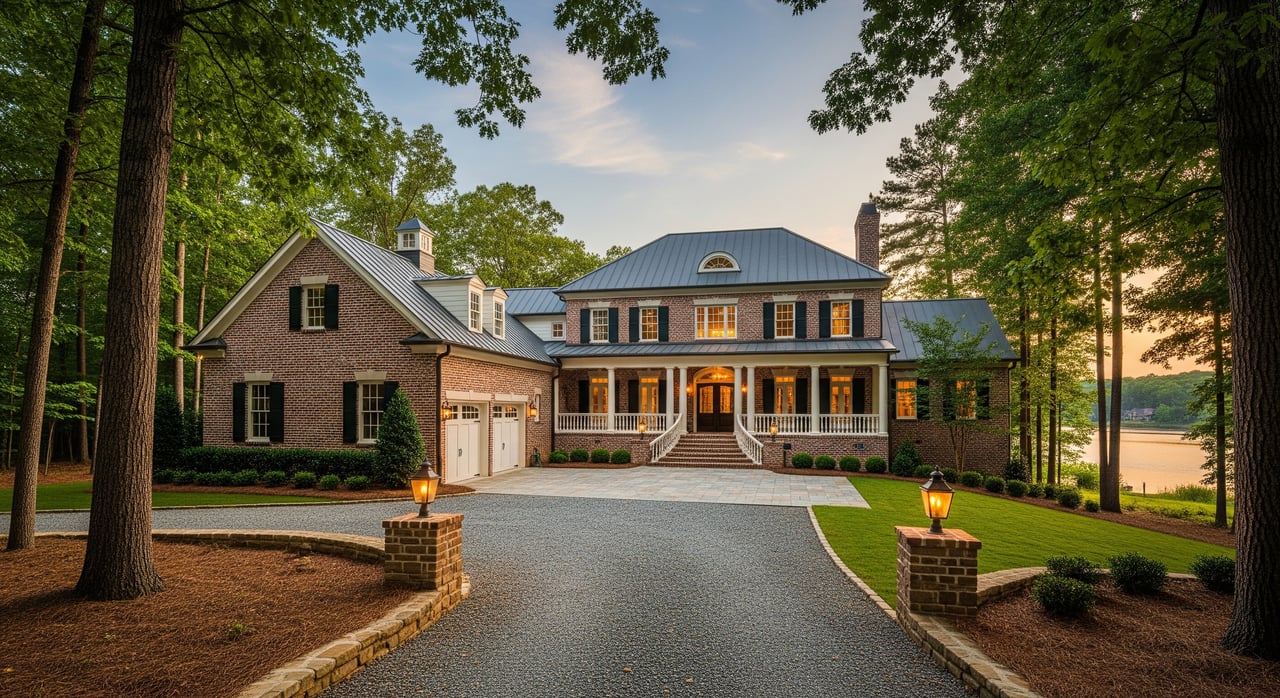
Is an HOA right for you, or would you rather avoid one altogether? In Acworth, this choice shapes your budget, your daily routine, and even how you use lake access. You want a home that fits your lifestyle without surprises at closing. In this guide, you’ll see how HOAs work in Georgia, what to expect in Acworth neighborhoods, and the exact documents and questions that help you buy with confidence. Let’s dive in.
HOA vs. no HOA in Acworth
Acworth offers a mix of historic streets near downtown, lakefront pockets along Lake Allatoona, suburban subdivisions, and clusters of townhomes and condos. You’ll find both HOA-governed communities and non-HOA neighborhoods here.
Newer planned communities and many townhome and condo developments usually have HOAs. These often include common amenities and set community standards. Historic and older subdivisions near downtown are more likely to be non-HOA or have voluntary civic groups. Lakefront neighborhoods commonly use HOAs to manage docks, shoreline rules, and shared access.
The practical impact is simple. In an HOA, you trade some autonomy for structure and shared services. In a non-HOA area, you gain freedom but take on more responsibility for maintenance and neighborhood standards.
How HOAs work in Georgia
Understanding the basics helps you read documents and assess risk before you make an offer.
Governing documents and who makes the rules
HOAs are run by a board that follows three core documents:
- Declaration of Covenants, Conditions & Restrictions (CC&Rs) for use rules, architectural control, and assessments.
- Bylaws for how the board is elected and how meetings and votes work.
- Rules and Regulations for day-to-day items like parking, pets, and pool policies.
You should also review recorded plats, easements, and any architectural guidelines that apply to exterior changes.
Money and reserves: what to check
HOAs charge regular assessments and may levy special assessments for large or unexpected costs. Two budgets matter:
- Operating budget for ongoing expenses like common-area landscaping, lighting, management, insurance, and utilities.
- Reserve funds set aside for long-term repairs such as roofs, private roads, pools, or clubhouses.
Ask for the current operating budget, recent financials, and the most recent reserve study if available. Review fee history and any planned capital projects. A healthy reserve level can reduce the risk of special assessments.
Insurance basics for owners and associations
Most HOAs carry insurance for common areas and association liability. Owners typically carry HO-3 or HO-6 policies for their interior and personal coverage. In condos, the association often insures the building structure while unit owners insure interiors and belongings. Confirm what the master policy covers, how deductibles are handled, and whether the association carries fidelity and director/officer coverage.
Enforcement and risk
HOAs enforce rules through fines, suspension of amenities, and liens for unpaid assessments. Georgia associations generally can record liens, and some can foreclose under specific circumstances. Dispute resolution processes vary, and some bylaws call for mediation or arbitration before going to court. Know the enforcement process before you buy so you understand your rights and obligations.
Financing and resale impacts
Lenders review HOA documents as part of underwriting. Condo projects often require specific approvals for FHA, VA, and conventional loans. Restrictive rental policies, litigation, or thin reserves can affect mortgage options. Before closing, request an estoppel or resale letter that confirms monthly dues, special assessments, violations, and any amounts owed.
Lifestyle and maintenance tradeoffs in Acworth
Your day-to-day experience can look very different in an HOA community compared to a non-HOA street.
Standards vs. freedom
- HOAs promote consistent appearance and upkeep, which can support resale and curb appeal. They may limit exterior paint colors, fence types, yard maintenance, signage, and holiday decor. Rental caps are also common.
- Non-HOA homes offer more freedom for exterior changes and personal projects. In exchange, you accept less control over how neighbors maintain their properties.
Amenities and shared services
- HOAs often provide pools, playgrounds, clubhouses, sidewalks, private roads, gated entries, and sometimes fitness rooms. Some also manage bulk services like trash, cable, or pest control.
- Lakefront HOAs may handle docks, boat launches, and shoreline upkeep. Rules about boat storage and slip assignments are common and can drive fees.
Budget predictability and surprises
- HOAs give you regular monthly or annual assessments that cover shared costs. Special assessments are possible, so reviewing reserves and upcoming projects is essential.
- Non-HOA homes avoid dues, but you take on all maintenance and capital expenses yourself. That can be cheaper in some years and more expensive in others.
Value and resale
Well-managed HOAs with adequate reserves and desirable amenities can help maintain values and reduce time on market. Poor management, litigation, or insufficient reserves can hurt values and complicate financing. Non-HOA homes in well-kept neighborhoods can perform just as well. The key is condition, location, and the level of care in the surrounding area.
Lake Allatoona specifics for buyers
If lake access is your goal, pay close attention to the HOA’s role. Many lake communities use HOAs to regulate shoreline use and protect shared resources. Expect rules around dock placement, slip assignments, boat storage, and shoreline maintenance.
Ask how slips are allocated, whether there is a waitlist, and what fees apply to use, maintenance, or improvements. Confirm who maintains seawalls or shoreline buffers and what permits or approvals are required for changes. For non-HOA lake parcels, you will have more autonomy but must coordinate directly with local authorities and manage all shoreline upkeep.
The document checklist you need
Request these items early and review them with your agent and lender. A quick scan is not enough. Read for specifics and look for recent changes.
- Declaration/CC&Rs
- Bylaws and Rules & Regulations
- Current operating budget and recent financial statements
- Most recent reserve study and funded percentage if disclosed
- Minutes of recent board meetings from the last 6 to 12 months
- Estoppel or resale certificate showing dues, assessments, violations, and any balances owed
- Master insurance policy declarations, including deductibles and coverage limits
- Disclosures on pending lawsuits, liens, or threatened litigation
- Architectural guidelines and approval process for exterior changes
- Management agreement and contact info if a management company is used
- Fee history for the last 3 to 5 years, including special assessments
- Recorded plats and easements for common areas and access points
Smart questions to ask
- What exactly is included in the regular assessment?
- Are special assessments planned or under discussion? What timeline and estimated cost?
- Is there a current reserve study? What is the funded percentage?
- Are there current or recent lawsuits involving the association?
- What are the rental, pet, parking, satellite dish, fence, and paint color rules?
- How is enforcement handled? How are fines assessed?
- How are board members elected, and is developer control still in place?
- For lake communities, how are boat slips assigned and managed?
- For condos, what percentage of units are owner-occupied versus rented?
- What transfer or document fees will apply at closing?
Red flags to investigate
- No recent financial statements or no reserve study
- Large fee spikes or frequent special assessments
- Ongoing or threatened litigation
- Very low reserves compared to obvious capital needs
- Rental restrictions that conflict with your plans
- Significant unpaid assessments in the community
- Developer still in control with unclear turnover timeline
Decision checklist: which path fits you?
Use these prompts to align your lifestyle and budget with the right neighborhood type.
You may prefer an HOA if you want
- Shared amenities like a pool, clubhouse, or managed docks
- A low-maintenance lifestyle with common areas handled for you
- Predictable monthly costs bundled into assessments
- Clear community standards that support curb appeal and consistency
- Professional management of private roads, stormwater, or shoreline
You may prefer no HOA if you want
- Maximum freedom for exterior choices, additions, and outbuildings
- Control over when and how to spend on maintenance
- No recurring dues or special assessments
- Flexibility for rental plans that might be restricted in HOAs
- Older or historic character that could be limited by strict covenants
Questions to answer for yourself
- Do I need amenities like a pool, dock, or fitness room?
- Am I comfortable following rules for my home’s exterior and yard?
- Do I want predictable monthly assessments or control over timing of expenses?
- How important is community enforcement of standards?
- Will rental restrictions affect my plans now or later?
- Am I okay with board approvals and timelines for exterior changes?
Next steps with confidence
- Get the HOA documents as soon as you are serious about a property, not just before closing. Review the budget, reserves, and meeting minutes closely.
- Confirm the master insurance coverage and align your policy with any deductibles you may be responsible for.
- Ask your lender about HOA and condo requirements early, especially for FHA or VA loans.
- If you are considering lakefront properties, confirm dock rules, slip assignments, fees, and shoreline maintenance responsibilities.
- For complex situations, large assessments, or litigation, consider having a real estate attorney review the documents.
When you are weighing HOA vs. no HOA in Acworth, a local guide matters. If you want clear advice, real-world examples, and a calm plan from search to closing, talk with the Carlson Orange Team. We treat you like family and help you match your lifestyle and budget to the right neighborhood fit.
FAQs
What does an HOA do in Georgia and what should I review?
- An HOA enforces community rules, collects assessments, maintains common areas, and manages reserves; review the CC&Rs, bylaws, rules, budgets, financials, reserve study, minutes, insurance, and any litigation disclosures.
How do HOA dues and special assessments affect my budget in Acworth?
- Regular assessments cover ongoing costs and are predictable, while special assessments fund large or unexpected projects, so you should check fee history, reserves, and planned capital work.
What should Acworth lakefront buyers know about docks and shoreline?
- Many lake HOAs regulate dock placement, slip assignments, boat storage, and shoreline upkeep, so confirm rules, fees, waitlists, and maintenance responsibilities before you buy.
Can HOA rules impact financing for condos in Cobb County?
- Yes, condo projects may need approval for certain loan programs, and issues like rental caps, litigation, or low reserves can affect mortgage options and underwriting.
What are common HOA red flags I should not ignore?
- No reserve study, thin reserves, frequent special assessments, litigation, unclear governance, or developer control without a turnover plan all warrant deeper review.